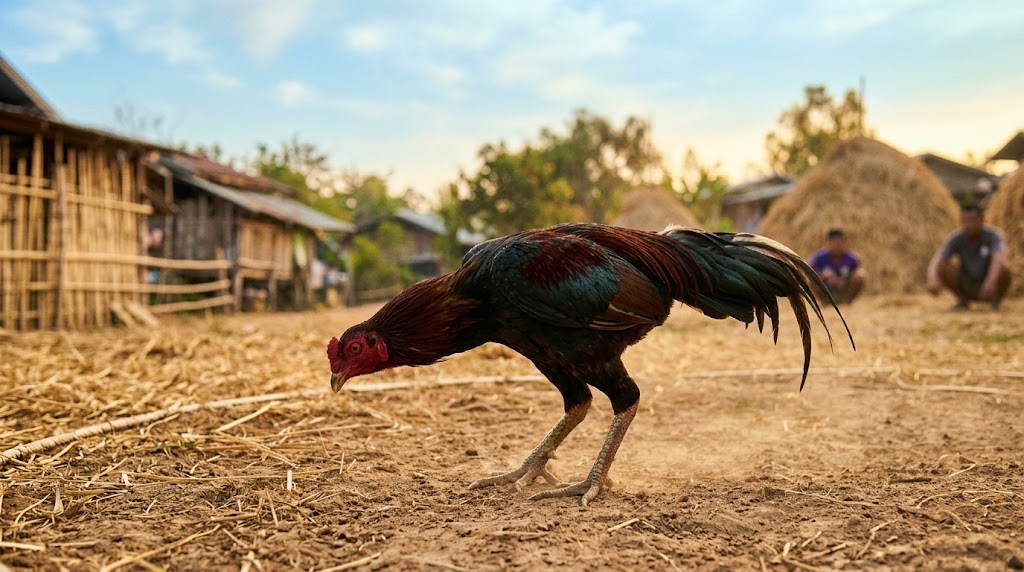
Gamefowl Diseases: Common Signs, Causes and Diagnosis
Gamefowl Diseases include infectious conditions caused by viruses, bacteria, parasites and other pathogens, as well as non-infectious health problems related to nutrition, injury, toxins, management or the environment. Many conditions can produce similar outward changes, so seeing one sign does not by itself identify the disease.
Common signs of illness in poultry include reduced appetite, low energy, breathing problems, abnormal droppings, changes in movement or appearance, and unexpected deaths. Because several diseases can produce similar signs, finding the cause may require flock history, physical examination and diagnostic testing.
What Are Gamefowl Diseases?
Disease is a disruption of normal health or body function. In poultry, health problems can broadly be divided into infectious and non-infectious conditions.
- Viral diseases: caused by viruses and capable of affecting different body systems depending on the disease.
- Bacterial diseases: caused by bacteria and capable of affecting the respiratory, digestive or other body systems.
- Parasitic diseases: caused by organisms such as protozoa, worms, mites or lice.
- Other infectious conditions: additional pathogens can also cause disease in poultry.
- Non-infectious disorders: can be associated with nutrition, injury, environmental conditions, toxins or management problems.
Merck Veterinary Manual explains that not all poultry health problems are infectious and that management, nutrition and environmental conditions can also contribute to illness. Poultry may also hide early signs of disease, making subtle changes in behavior, appetite or appearance important to notice. Merck Veterinary Manual — Common Management-Related Problems in Backyard Poultry.
Common Gamefowl Disease Categories
The phrase common gamefowl diseases covers many different conditions rather than one fixed list. Which diseases are relevant to a particular flock can vary with location, exposure to other birds, management and the infectious agents present in the area.
Important disease groups in poultry include:
- Viral diseases: including diseases that can affect the respiratory, digestive, neurological or multiple body systems.
- Bacterial infections: which can affect different organs and body systems.
- Protozoal diseases: such as coccidiosis.
- Internal parasites: including several types of parasitic worms.
- External parasites: including mites and lice.
- Non-infectious disorders: including nutritional, environmental and injury-related problems.
This is not a complete list of every condition that can affect poultry. The important point is that diseases belong to different categories and can still produce overlapping clinical signs.
Once the cause of a health problem has been assessed, treatment decisions can be considered separately. More information about that topic is available under Gamefowl Medicine.
Common Gamefowl Disease Symptoms and Clinical Signs
The term gamefowl disease symptoms is commonly used to describe changes associated with illness, although in veterinary medicine observable changes in an animal are generally called clinical signs. These can range from subtle differences in behavior to obvious respiratory or neurological problems.
USDA APHIS lists signs poultry owners may notice such as lack of energy, loss of appetite, breathing difficulty, nasal discharge, sneezing, changes in egg production, movement problems and unexpected deaths. USDA APHIS — How to Spot Sickness.
Changes worth paying attention to include:
- reduced appetite or drinking;
- unusual tiredness or reduced activity;
- coughing, sneezing, gasping or other breathing difficulty;
- nasal or eye discharge;
- abnormal or watery droppings;
- loss of body condition;
- swelling or unusual discoloration around the head, comb or wattles;
- poor balance, stumbling or unusual head and neck position;
- changes in egg production in laying birds; and
- unexpected deaths.
These signs can indicate that a bird is unwell, but they do not identify one specific disease by themselves.
What Are the Gamefowl Disease Signs to Watch For?
Gamefowl disease signs are observable changes in a bird’s behavior, appearance or normal body function. A change from that bird’s usual condition can be more informative than focusing on one isolated feature.
Useful observations include whether the bird is eating and drinking normally, interacting with other birds, breathing comfortably, moving normally and producing droppings that are typical for that bird.
When looking for signs of disease in gamefowl, the rest of the flock also provides useful context. One affected bird may represent a different situation from several birds developing similar signs over a short period.
For broader online browsing outside poultry-health information, เว็บตรง ปลอดภัย is available separately.
Why Similar Signs Can Have Different Causes
One of the main difficulties in identifying poultry disease is that many conditions share similar clinical signs.
Breathing difficulty, for example, does not prove that a bird has one particular respiratory infection. Weakness can occur with infectious disease, dehydration, nutritional problems, injury or other health conditions. Abnormal droppings can also have several possible causes.
Newcastle disease is a useful example. The World Organisation for Animal Health reports that the disease can produce respiratory, neurological and digestive signs. Its clinical picture can also resemble avian influenza, which is why laboratory testing is important for confirmation. WOAH — Newcastle Disease.
The practical lesson is simple: a clinical sign is a clue, not a confirmed diagnosis.
How Gamefowl Disease Diagnosis Works
Gamefowl disease diagnosis involves combining information about the individual bird, the flock and the circumstances surrounding the illness. Clinical signs can help narrow the possible causes, but they do not confirm a disease by themselves.
A veterinary assessment may include clinical and flock history, observation and physical examination. Merck Veterinary Manual describes observing a bird’s appearance and behavior before physical examination and recommends a systematic physical examination of poultry. Merck Veterinary Manual — Physical Examination of Backyard Poultry.
Additional diagnostic procedures are selected according to the conditions being considered. Depending on the suspected disease, these may include fecal examination when relevant to the suspected condition, laboratory testing or, in some cases, postmortem examination. Mississippi State University Extension describes poultry disease diagnosis as a systematic process that uses flock history, examination of affected birds and, when appropriate, necropsy findings to help identify the problem. Mississippi State University Extension — Poultry Disease Diagnosis.
Not every case requires every test. The appropriate diagnostic approach depends on the clinical signs, flock pattern and possible causes being investigated.
Why Flock History Matters
A single sick bird and several birds becoming ill at approximately the same time are different situations.
Useful information includes:
- how many birds are affected;
- when the first signs appeared;
- how quickly additional birds became affected;
- whether new birds were recently introduced;
- whether feed or water recently changed;
- whether environmental conditions changed; and
- whether unexpected deaths have occurred.
This information does not diagnose a disease on its own, but it can help provide context when the possible causes are being evaluated.
When Veterinary Assessment Is Important
Veterinary assessment is especially important when a bird is seriously ill or when the cause cannot be determined reliably from observation alone.
Severe breathing difficulty, neurological abnormalities, marked weakness, acute bleeding or an open fracture warrant prompt professional attention. Merck Veterinary Manual identifies acute hemorrhage, head trauma, seizures or other neurological signs, open fractures, extreme respiratory difficulty and weakness as situations requiring immediate emergency care before examination. Merck Veterinary Manual — Physical Examination of Backyard Poultry.
If several birds develop similar signs, the problem appears to spread through the flock or unexpected deaths occur, veterinary assessment may also be appropriate. A flock pattern provides diagnostic context, but it does not identify a specific disease by itself.
USDA guidance on reporting sick poultry applies to the United States. Bird owners in other countries should follow veterinary and animal-health requirements applicable in their own jurisdiction.
What Happens After a Diagnosis?
The next step depends on the cause. Bacterial disease, viral disease, parasites, nutritional disorders and environmental problems do not all require the same response.
A diagnosis may lead to medicine, supportive care, management changes or other measures appropriate to the condition. Treatment should therefore follow the identified or suspected cause rather than be selected only from a familiar outward sign.
Separating diagnosis from treatment helps avoid using a medicine that does not address the actual problem.
Common Mistakes When Identifying Gamefowl Diseases
- Diagnosing from one sign: the same sign can appear in several diseases.
- Assuming every respiratory problem is bacterial: breathing problems can have several possible causes.
- Assuming abnormal droppings always mean worms: digestive changes are not specific to one parasite or disease.
- Ignoring the rest of the flock: the number of affected birds and timing of illness provide useful context.
- Choosing medicine before identifying the likely cause: treatment should match the condition being addressed.
- Assuming two birds with similar signs have the same disease: similar outward changes can arise from different conditions.
- Waiting when signs are severe: serious respiratory, neurological or systemic illness warrants veterinary assessment.
Another website available for broader browsing is เว็บพันธมิตร.
How to Observe a Sick Gamefowl Bird
Careful observation can provide useful information for veterinary assessment without trying to diagnose the disease from appearance alone.
Note changes in:
- appetite and water intake;
- energy and activity;
- breathing;
- droppings;
- posture and movement;
- eyes and nasal discharge;
- skin, feathers, comb and wattles;
- body condition; and
- the number of birds showing similar changes.
It is also useful to note when the changes began and whether they are stable, improving or becoming more severe.
Summary
Gamefowl Diseases can result from infectious agents such as viruses, bacteria and parasites, as well as non-infectious problems related to nutrition, injury, toxins, management or environmental conditions.
The central point is that clinical signs are clues rather than diagnoses. Reduced appetite, respiratory problems, abnormal droppings, weakness or neurological changes can occur with more than one condition, so clinical history, examination and appropriate diagnostic testing may be needed to determine the cause.
When illness is severe, several birds are affected or the cause remains unclear, veterinary assessment is safer than attempting to identify a disease from outward signs alone.
FAQ
What are common gamefowl diseases?
Gamefowl can be affected by viral, bacterial and parasitic diseases as well as non-infectious disorders related to nutrition, injury, toxins or environmental conditions. Which diseases are most relevant can vary with location, exposure and flock management.
What are common gamefowl disease symptoms?
Observable clinical signs can include reduced appetite, low energy, breathing difficulty, nasal discharge, abnormal droppings, movement problems, changes in appearance and unexpected deaths. These signs are not specific to one disease.
Can signs identify a gamefowl disease by themselves?
No. Different conditions can produce similar clinical signs. Observation can show that a bird may be ill, but identifying the cause may require history, physical examination and diagnostic testing.
How are gamefowl diseases diagnosed?
Diagnosis can involve clinical history, flock patterns, physical examination and appropriate diagnostic procedures selected according to the suspected condition. Not every bird requires every test.
Can several diseases cause the same signs?
Yes. Respiratory, digestive, neurological and general signs such as weakness or reduced appetite can occur with several different diseases or non-infectious health problems.
When should a sick gamefowl bird see a veterinarian?
Prompt veterinary attention is particularly important for extreme breathing difficulty, neurological abnormalities, marked weakness, acute bleeding, open fractures or other serious illness or injury.
What information helps diagnose illness in a flock?
Useful information includes when signs began, how many birds are affected, how quickly the problem developed, recent bird introductions, changes in feed or water, environmental changes and unexpected deaths.
References
Merck Veterinary Manual. Common Management-Related Problems in Backyard Poultry.
Merck Veterinary Manual. Physical Examination of Backyard Poultry.
Mississippi State University Extension. Poultry Disease Diagnosis.
U.S. Department of Agriculture, Animal and Plant Health Inspection Service. How to Spot Sickness.
World Organisation for Animal Health. Newcastle Disease.