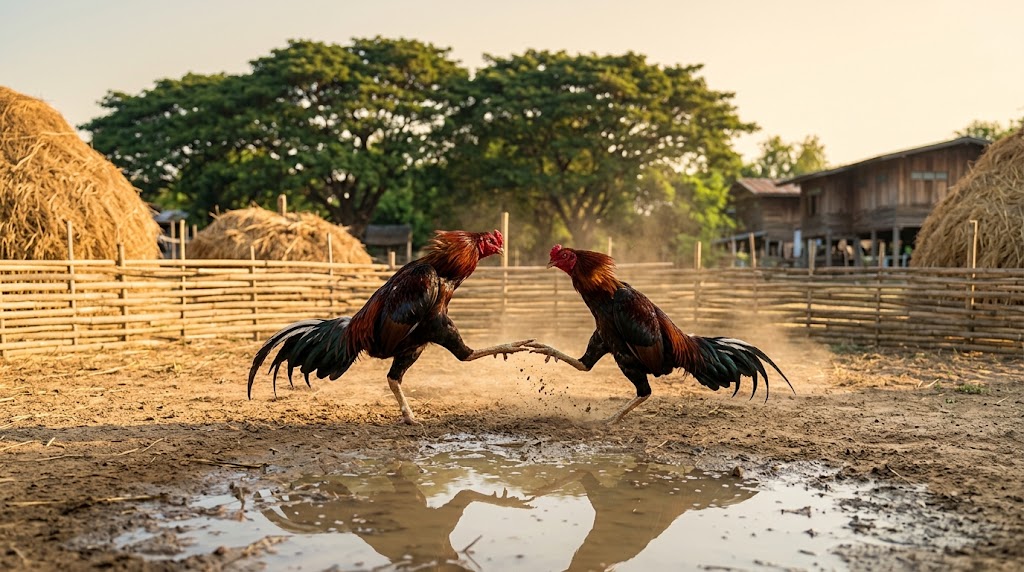
How to Raise Gamefowl: Housing, Care and Management Guide
How to Raise Gamefowl starts with sound poultry husbandry: provide suitable housing, clean water, appropriate feed, a dry and well-ventilated environment, regular cleaning and daily observation. Good care depends on maintaining these conditions consistently and noticing changes in a bird’s behavior, appetite or physical condition.
For beginners, the priorities are straightforward: protect birds from severe weather and predators, avoid overcrowding, provide clean water and suitable feed, keep housing clean and dry, and observe the birds every day.
What Does How to Raise Gamefowl Involve?
Raising gamefowl involves several parts of routine poultry care working together. Housing affects cleanliness and ventilation, water and feed support normal daily needs, and regular observation helps reveal when something has changed.
A practical gamefowl raising guide therefore looks at the whole living environment rather than relying on one product, ingredient or management technique.
The basic areas to consider are housing, water, feed, cleanliness, environmental conditions and appropriate care when a bird becomes ill or injured.
Start With Appropriate Gamefowl Housing
Good gamefowl housing should provide protection from weather and predators while allowing adequate airflow and enough usable space for the birds being kept.
Merck Veterinary Manual recommends avoiding overcrowding and notes that space and housing should take into account factors such as bird size and activity level. It also explains that adequate ventilation helps remove moisture from bedding and decreases exposure to mold spores and other airborne contaminants. Merck Veterinary Manual — Management of Backyard Poultry.
Housing needs can vary with the birds, climate and management system. For that reason, one coop dimension should not be treated as universally correct for every situation.
What Should a Gamefowl Coop Provide?
A practical gamefowl coop should help keep birds protected, dry and easy to observe while also allowing routine cleaning.
Useful features include:
- adequate ventilation;
- a clean, dry resting area;
- protection from predators;
- reliable access to drinking water;
- surfaces and structures that do not present obvious injury hazards;
- access for cleaning and inspection; and
- enough usable space to avoid overcrowding.
Flooring and bedding also require attention. Merck notes that wet litter encourages the growth of bacteria, fungi and parasites and can contribute to footpad and other welfare problems. Adequate ventilation helps control excess moisture in the coop.
Provide Clean Water Every Day
Birds need reliable access to suitable drinking water. Containers should be checked regularly because manure, litter, feed and other material can contaminate the water or the area around it.
Merck Veterinary Manual identifies insufficient water quality or quantity as a common problem in backyard flocks and notes that inadequate water intake can lead to serious health problems.
When checking the birds, look at more than whether water is present. A noticeable change in drinking behavior can also be useful information about a bird’s condition.
Provide Appropriate Feed
Merck Veterinary Manual notes that feed recommendations for backyard poultry vary according to species, age and use, and that birds should receive most of their diet from a balanced, nutritionally complete ration.
A single ingredient should not be expected to provide everything a bird needs. Feed should be nutritionally balanced and appropriate for the bird’s species, age and use.
Feed should also be stored properly and protected from moisture, spoilage and excessive storage time. Detailed nutrient requirements and feeding schedules depend on the type and stage of bird and should be considered separately from basic daily husbandry.
Keep Housing Clean and Dry
Routine cleaning helps control manure, wet bedding and other organic material in the areas where birds live.
USDA APHIS recommends maintaining clean poultry houses, coops and enclosures as part of routine biosecurity. Its guidance includes removing dirt and debris before washing and disinfecting and allowing cleaned enclosures to dry before birds return. USDA APHIS — Build a Clean Routine.
Routine care can include removing accumulated manure, dealing with wet or heavily soiled litter, checking stored feed for spoilage and cleaning drinking equipment as needed.
Cleanliness helps reduce exposure to harmful organisms, but it cannot guarantee that disease will never occur.
Observe Birds Every Day
Daily observation is one of the most useful parts of gamefowl raising. Knowing what is normal for a bird makes unusual changes easier to notice.
Pay attention to:
- appetite;
- water intake;
- energy and activity;
- breathing;
- movement and posture;
- droppings;
- body condition;
- eye or nasal discharge; and
- interaction with other birds.
An unusual sign does not identify a disease by itself. More information about recognizing possible health problems is available in Gamefowl Diseases.
Use Basic Biosecurity in Daily Management
Biosecurity means using everyday practices that reduce opportunities for pathogens to enter or spread through a flock.
USDA APHIS explains that disease can be carried through visitors, clothing, equipment, vehicles, wild birds and other routes. Its guidance emphasizes clean equipment, limiting unnecessary access to bird areas and reducing contact with wildlife where practical. USDA APHIS — Biosecurity Basics.
If a bird becomes visibly ill, careful observation and appropriate veterinary advice can help determine what to do next. Biosecurity practices can reduce risk, but they do not eliminate every possible disease threat.
Readers interested in other online content can also visit เว็บตรง ปลอดภัย.
Handle Birds Calmly
When handling is necessary for routine inspection or movement, avoid unnecessary chasing or rough restraint. Calm, deliberate handling makes it easier to observe the bird and reduces avoidable disturbance.
If a bird is injured, very weak or showing serious breathing or movement problems, professional veterinary assessment may be more appropriate than repeated handling.
Adjust Management to Weather and Environment
Housing and daily routines should respond to environmental conditions rather than remain identical throughout the year.
Merck Veterinary Manual notes that chickens can change their behavior during temperature extremes and that ventilation is an important part of the coop environment.
During temperature extremes or wet conditions, water availability, ventilation and keeping housing dry require particular attention.
Common Mistakes When Raising Gamefowl
- Overcrowding: makes it harder to maintain adequate space and good environmental conditions.
- Poor ventilation: allows moisture and airborne contaminants to build up.
- Dirty drinking equipment: can contribute to contamination of the birds’ environment.
- Wet or heavily soiled litter: creates poorer housing conditions and can encourage pathogen growth.
- Using unsuitable feed: diets should be appropriate for the bird’s species, age and use.
- Ignoring changes in behavior: reduced appetite, unusual inactivity or altered breathing can signal that closer attention is needed.
- Neglecting routine biosecurity: people, equipment, clothing and wildlife can all contribute to disease exposure.
- Assuming one setup suits every bird: housing and management should account for differences in birds and environmental conditions.
For readers exploring other topics online, เว็บพันธมิตร is another available resource.
Build a Consistent Daily Routine
Consistency helps prevent basic care from being overlooked. A simple routine is enough: check drinking water, feed, housing conditions and the birds themselves, then deal with any unusual change that needs attention.
Keeping this routine consistent makes it easier to compare a bird’s current condition with what is normal for that flock.
Summary
How to Raise Gamefowl comes down to consistent poultry husbandry: appropriate housing, adequate ventilation, clean water, suitable feed, regular cleaning and daily observation.
A well-managed environment should help keep birds dry and protected while providing adequate airflow, usable space and protection from predators. Routine checks make changes in behavior, appetite, drinking or physical condition easier to notice.
No single coop design, feed or management routine is universally correct for every bird. Age, condition, climate and the management system all influence what is appropriate, and illness or injury may require veterinary assessment.
FAQ
How do you raise gamefowl properly?
Provide appropriate housing, adequate ventilation, suitable feed, clean drinking water, regular cleaning and daily observation. Management should also take the bird’s age, condition and environment into account.
What kind of housing do gamefowl need?
Housing should provide shelter, ventilation, dry resting conditions, predator protection and enough usable space to avoid overcrowding. The exact design can vary with the birds, climate and management system.
What should a gamefowl coop include?
A practical coop should provide airflow, shelter from weather, a clean and dry resting area, predator protection, drinking-water access and enough access for routine cleaning and inspection.
How often should gamefowl be checked?
Birds should be observed every day as part of routine care. Regular observation makes changes in appetite, drinking, breathing, movement, droppings or behavior easier to notice.
What should you do if a gamefowl bird appears sick?
Observe the bird carefully and note changes in appetite, water intake, breathing, movement and behavior. Serious, persistent or unexplained illness should be assessed by a veterinarian or other appropriate animal-health professional.
Does every gamefowl bird need exactly the same care?
No. Basic husbandry principles are similar, but age, condition, climate, housing and other management circumstances can change the details of appropriate care.
Is special performance training required for routine gamefowl care?
No. Routine raising focuses on normal poultry husbandry such as housing, feed, water, hygiene and health observation. Specialized performance training is separate from basic daily care.
References
Merck Veterinary Manual. Management of Backyard Poultry.
U.S. Department of Agriculture, Animal and Plant Health Inspection Service. Biosecurity Basics.
U.S. Department of Agriculture, Animal and Plant Health Inspection Service. Build a Clean Routine.