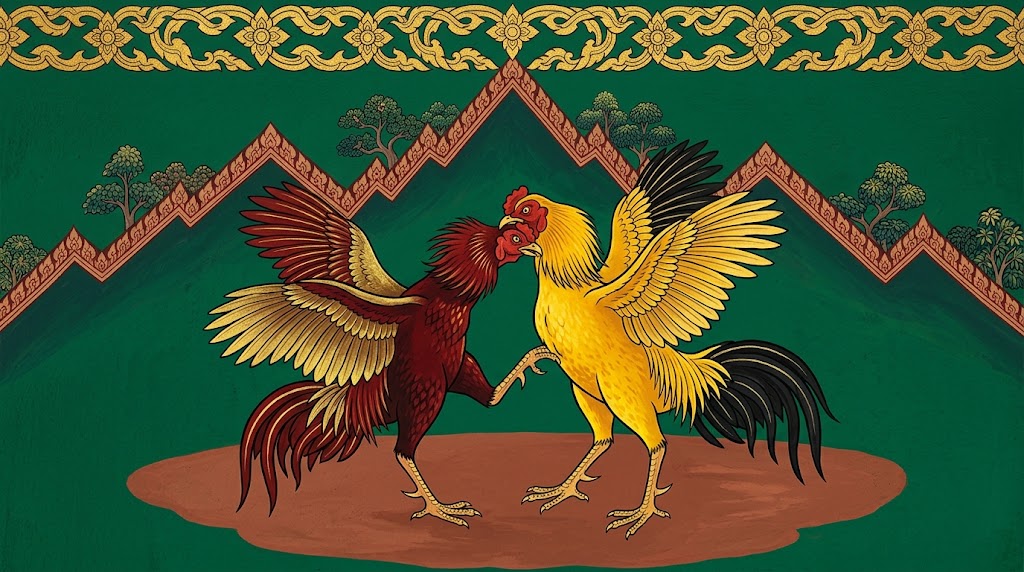
How to Care for Gamecock Breeds
How to Care for Gamecock Breeds starts with the same fundamentals used in responsible poultry husbandry: safe housing, appropriate nutrition, ready access to fresh, clean water, routine sanitation, and regular observation of each bird. Breed characteristics can affect how those principles are applied, but a breed name alone should not be treated as a complete care prescription.
Gamecock care should therefore combine a consistent daily routine with adjustments for the individual bird’s age, body size, feathering, temperament, environment, and health status. The goal is not to invent a different care system for every bloodline, but to recognize when an individual bird needs management adapted to its characteristics.
Start With the Same Core Care Principles
A practical answer to How to Care for Gamecock Breeds is to establish a reliable baseline first. Every bird needs appropriate shelter, feed, water, cleanliness, and observation before breed-specific differences become relevant.
Mississippi State University Extension notes that chicken breeds can differ in traits such as size, activity, temperament, foraging behavior, and suitability for different climates. Those differences can influence management decisions, but they do not eliminate the basic husbandry requirements shared by poultry.
This distinction is useful because “breed” and “variety” are not interchangeable terms. A breed describes a broader group with shared physical characteristics, while varieties within a breed may differ in features such as feather color or comb type. Care decisions should therefore be based on observable needs rather than assumptions attached only to a name.
Provide Safe, Dry and Well-Ventilated Housing
Good housing should protect birds from weather, predators, injury, and prolonged dampness. Penn State Extension recommends dry poultry housing with adequate ventilation and protection from environmental hazards.
Ventilation matters because moisture and poor air quality can build up in an enclosed space. The objective is adequate air exchange without creating an unsuitable environment for the birds. Housing also needs to remain practical to inspect and clean.
There is no single housing measurement that should automatically be applied to every gamecock breed in every climate and management system. Body size, number of birds, local weather, enclosure design, and management practices all affect what is appropriate.
Build Feeding Around a Balanced Ration and Clean Water
Routine gamefowl care should begin with nutritionally appropriate feed rather than relying on supplements to compensate for an unbalanced diet. Merck Veterinary Manual recommends complete-feed programs for growing poultry and particularly for laying and breeding stock because they provide a more controlled nutrient balance.
Fresh, clean water should also be readily available. Water containers should be positioned and maintained so birds can use them easily while unnecessary contamination is minimized.
Feeding requirements are not identical for every bird. Age, body size, physiological stage, environment, and the nutritional formulation of the feed can all affect what is appropriate. For that reason, one universal number of grams, meals, or feeding times should not be assumed to fit all gamecock breeds.
Keep the Environment Clean and Use Basic Biosecurity
Clean surroundings are part of routine care, not something that should begin only after birds become ill. USDA APHIS identifies people, clothing, footwear, equipment, wildlife, and other materials moving between bird areas as possible routes by which disease-causing organisms can spread.
A practical routine includes removing manure and accumulated debris, keeping feeders and drinkers clean, cleaning equipment, controlling unnecessary traffic into bird areas, and allowing cleaned enclosures to dry appropriately.
Biosecurity reduces exposure risk but does not guarantee that disease will never occur. It should be treated as one layer of flock management alongside nutrition, housing, observation, and appropriate veterinary care.
Check Each Bird Every Day
Daily observation is one of the most useful parts of rooster care because changes can be easier to notice when the keeper already knows what is normal for that individual bird.
Merck Veterinary Manual notes that early illness in poultry can be subtle. Changes in behavior, feed or water consumption, feather condition, posture, breathing, or normal interaction with the flock can signal that closer attention is needed.
A simple daily check can include:
- whether the bird is alert and behaving normally;
- whether it is eating and drinking as expected;
- whether breathing appears comfortable;
- whether posture and movement have changed;
- whether feathers, eyes, nostrils, legs, and feet show obvious abnormalities;
- whether droppings have changed noticeably; and
- whether more than one bird is showing similar changes.
These observations can indicate that something is wrong, but they do not identify a particular disease by themselves.
Adapt Care to the Bird, Not Just the Breed Name
The key to How to Care for Gamecock Breeds is separating genuine management differences from breed stereotypes. Physical and behavioral characteristics can affect practical husbandry, but individual condition and environment still matter.
Body size can influence enclosure and equipment suitability. Feathering, comb characteristics, activity, and temperament can also influence practical management choices and how a bird responds to its environment.
Climate is another consideration. Mississippi State University Extension describes differences among chicken breeds in heat and cold suitability. This supports adjusting management to environmental conditions, but it does not justify assuming that every individual from a named breed will respond exactly the same way.
A useful decision framework is:
- identify the individual bird’s physical characteristics;
- consider its age and current condition;
- assess the local climate and housing environment;
- observe normal behavior and appetite;
- adjust routine management when there is a clear reason to do so; and
- avoid creating special rules based only on an unsupported bloodline claim.
Adjust Care as Age and Life Stage Change
How to care for a rooster can change as the bird develops. Growing birds, mature adults, and breeding stock do not necessarily have identical nutritional or management requirements.
Feed selection should therefore match the bird’s stage and purpose rather than using one ration simply because it is familiar. Housing equipment should likewise remain suitable as the bird’s body size and behavior change.
Routine breed care is different from a complete hatch-to-adulthood raising guide. As a bird matures, reassess whether its feed, housing equipment, environment, and daily management still fit its current needs.
Include Grooming and Routine Physical Checks
Grooming should be understood primarily as keeping the bird and its environment clean while regularly checking visible condition. It does not require aggressive cosmetic procedures or unnecessary intervention.
Merck Veterinary Manual recommends systematic observation during poultry examination, including the eyes, nostrils, feathers, skin, legs, and feet. For routine owner observation, visible changes in these areas can be useful reasons to investigate further.
Handling should be calm and should minimize stress. Merck specifically cautions against restraining chickens upside down or squeezing the breast because these practices can increase stress, impair breathing, or increase injury risk.
Do Supplements Belong in Routine Gamecock Care?
Supplements should not automatically be treated as a requirement for every healthy gamecock. A nutritionally appropriate complete ration is the more defensible baseline, while supplementation depends on the diet, the individual bird, and the reason a particular nutrient or product is being considered.
A product marketed for gamefowl does not by itself demonstrate that a bird needs it, that it corrects a deficiency, or that it improves health or performance. Suspected nutritional deficiencies or health problems should not be diagnosed merely from a product label or outward appearance.
Know When Routine Care Becomes a Health Issue
Knowing How to Care for Gamecock Breeds also means recognizing the limit of routine husbandry. Reduced appetite, abnormal breathing, weakness, unusual posture, altered droppings, discharge, injuries, or major behavioral changes deserve attention, especially when they persist, worsen, or affect several birds.
Those signs are clues rather than diagnoses. Different infectious and non-infectious problems can produce similar outward changes. For a broader explanation of signs, causes, and diagnosis, see Gamefowl Diseases.
Extreme breathing difficulty, seizures or other neurological signs, severe bleeding, head trauma, an open fracture, or marked weakness warrant prompt veterinary attention rather than routine observation alone. Medication or treatment should not be selected solely because two conditions appear similar.
Care and Conditioning Are Not the Same Thing
Routine husbandry and performance conditioning should not be treated as interchangeable concepts. Housing, balanced nutrition, clean water, sanitation, and health observation are fundamental care needs regardless of any performance objective.
A conditioning claim also should not override normal welfare or veterinary considerations. A training routine, supplement, or feeding change cannot be assumed to improve performance simply because it is traditional or marketed for gamefowl.
This distinction keeps everyday care focused on maintaining the bird’s health and condition rather than using unsupported performance promises as a substitute for husbandry.
Common Gamecock Care Mistakes
- Using the breed name as the entire care plan: individual condition, age, environment, and management still matter.
- Ignoring ventilation because the enclosure looks clean: cleanliness and air quality are separate management concerns.
- Using supplements instead of an appropriate ration: supplements should not be assumed to correct a poorly balanced feeding program.
- Waiting for dramatic illness: early changes in appetite, behavior, breathing, or appearance can be important.
- Diagnosing from one visible sign: similar signs can have different causes.
- Applying one fixed routine to every life stage: management should be reassessed as birds develop.
- Confusing conditioning with routine care: performance claims do not replace housing, nutrition, hygiene, and health monitoring.
Other Links
Readers may also encounter เว็บตรง ปลอดภัย and เว็บพันธมิตร. These commercial websites should not be relied on for poultry husbandry, veterinary, nutrition, safety, licensing, or reliability claims.
FAQ
What is the best way to learn How to Care for Gamecock Breeds?
Start with proven poultry-care fundamentals: safe and dry housing, suitable ventilation, nutritionally appropriate feed, clean water, sanitation, daily observation, and careful adjustment for the individual bird. Breed characteristics can inform management, but they should not replace observation of the bird itself.
Does every gamecock breed require a different care routine?
No. Core husbandry principles are broadly shared. Practical differences may arise from body size, feathering, temperament, climate suitability, age, or individual health, so management should be adapted where those differences are relevant.
How often should a gamecock be checked?
Birds should receive routine daily attention so changes in eating, drinking, behavior, movement, breathing, appearance, or their environment can be noticed promptly. A daily check does not replace veterinary examination when illness is suspected.
Should gamecocks receive vitamins or supplements every day?
Not automatically. A complete, appropriate ration is the nutritional baseline. Whether supplementation is appropriate depends on the actual diet and the individual bird’s needs; routine supplementation should not be assumed necessary without a clear reason.
Can breed characteristics affect housing?
They can influence practical decisions. Size, feathering, activity, temperament, and environmental suitability may affect how housing and management are arranged. However, the correct setup also depends on climate, bird numbers, enclosure design, and individual condition.
Can a change in behavior tell me which disease a bird has?
No. A behavioral or physical change can indicate a health problem, but different diseases, injuries, nutritional problems, and environmental conditions can produce overlapping signs. Diagnosis may require veterinary examination and appropriate testing.
Key Takeaways
How to Care for Gamecock Breeds is best approached as a combination of consistent poultry husbandry and evidence-based adaptation. Begin with safe housing, ventilation, balanced nutrition, clean water, hygiene, and daily observation. Then adapt management when age, body characteristics, climate, temperament, or individual health provide a real reason to do so.
- Use core husbandry principles as the baseline for every bird.
- Adapt management to observable characteristics rather than breed stereotypes.
- Keep housing dry, protected, ventilated, and practical to clean.
- Use appropriate complete feed and maintain access to fresh, clean water.
- Observe birds every day so changes from normal can be recognized.
- Do not treat supplements as an automatic substitute for balanced nutrition.
- Do not treat warning signs as a confirmed diagnosis.
- Move beyond routine care when a bird needs veterinary assessment or treatment.
References
Merck Veterinary Manual. Feeding Methods for Poultry. Reviewed April 2023; updated September 2024.
Merck Veterinary Manual. Physical Examination of Backyard Poultry. Reviewed November 2024.
Merck Veterinary Manual. Common Management-Related Problems in Backyard Poultry. Updated April 2025.
Penn State Extension. Small Scale Poultry Housing. Updated June 25, 2026.
U.S. Department of Agriculture, Animal and Plant Health Inspection Service. Biosecurity Basics. Last modified September 29, 2026.
U.S. Department of Agriculture, Animal and Plant Health Inspection Service. Build a Clean Routine. Last modified September 21, 2026.
Mississippi State University Extension Service. Choosing the Right Breed for Your Backyard Flock. Publication 3036.